Our entry into the Metroidvania x Magical Girl Game Jam 2026 by Team Anima.
Animajo are magical girls who get their powers from animals through trust and friendship. Miki is the sole protector of the forest, but the animals are acting strange and attacking people. She traces them to a castle in the middle of the woods, and there you’re left to investigate and rescue the animals.
Majo in Japanese means “witch” or, as we know them, “magical girl”. Jo in Japanese also means “castle”, where the game takes place. Therefore, Animajo = Animal Witch/Magical Girl as well as Animal Castle!
I was responsible for the art, animation on the game, and narrative design utilizing Asesprite and Pixel Studio for Unity.

View our itch page:
Gameplay Screenshots
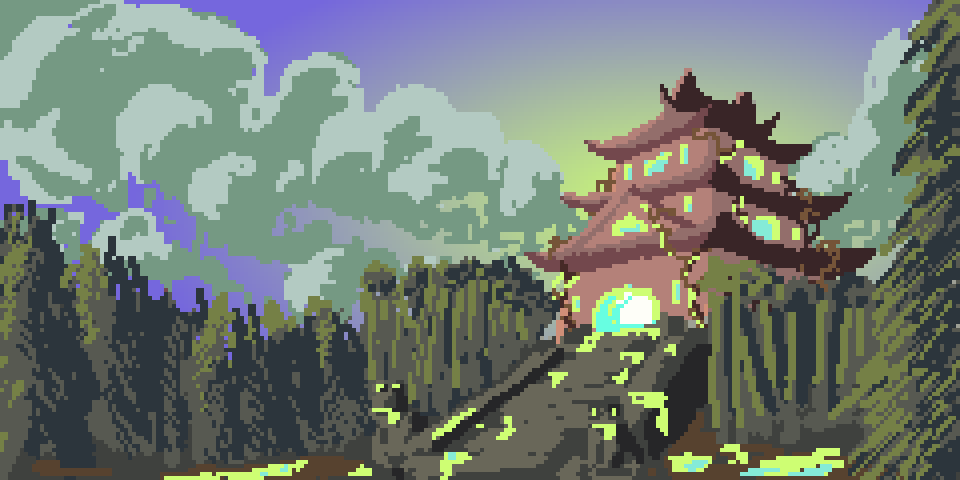
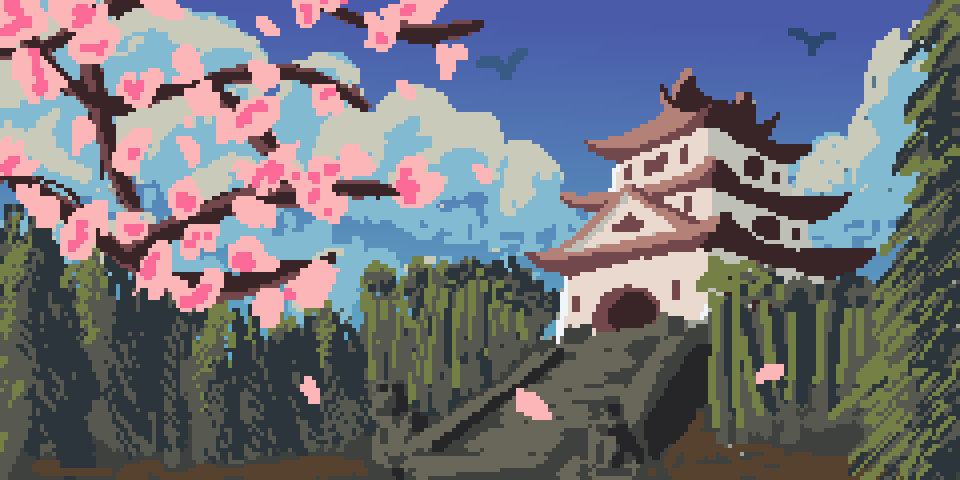
Cover Art: Game Over and Victory Screens
When Miki finds the castle, “Anima-jo”, it’s neglected and abandoned, but teeming with toxic magic, and goes in to investigate. When you win the game, the castle is restored to pristine beauty as the story implies the Animajo will return to the castle to congregate and protect the Earth together.
The game setting is a traditional Japanese style castle, to pay homage to the original birth place of magical girl lore. To keep it animal themed, a small detail on the roof suggests cat ears and whiskers.
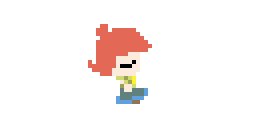
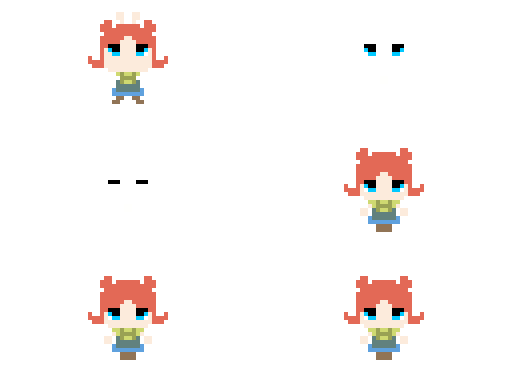
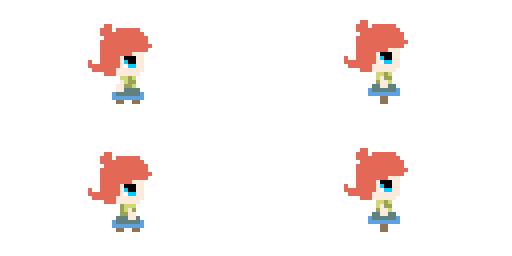
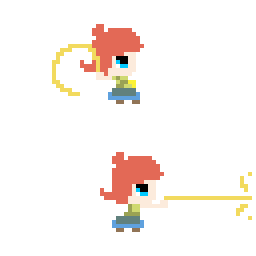
The Main Character: Miki Development
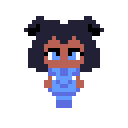
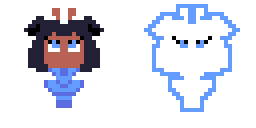
Animajo Miki is our main character. In Japanese, “hiki” is a counter for small animals, Mihiki = 3 small animals, and in this game, we started with 3 large boss animals that she fought and turned into small companions. Hence, the shortened name, Miki!
When she rescues an animal, they become companions that follow her and she transforms, magical girl style. While originally we wanted her to have an outfit for each animal, it was too time consuming and decided it would be more efficient to only have a single element of that animal added to her outfit when it’s earned. Therefore, the later development shows a normal version of Miki when you start the game, and a final form after all the animal powers are collected.
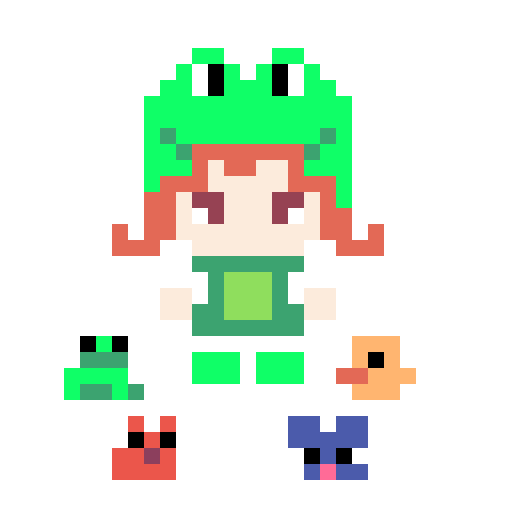
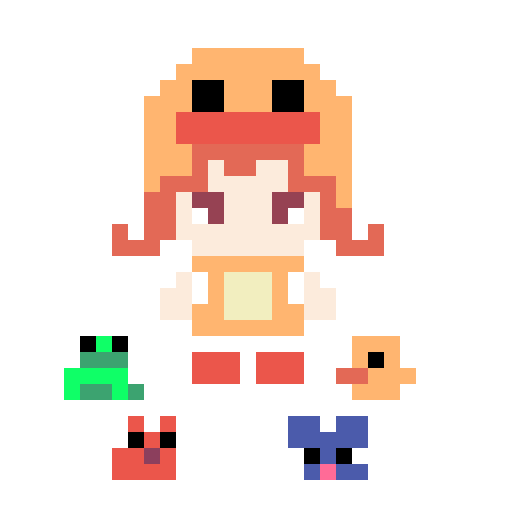
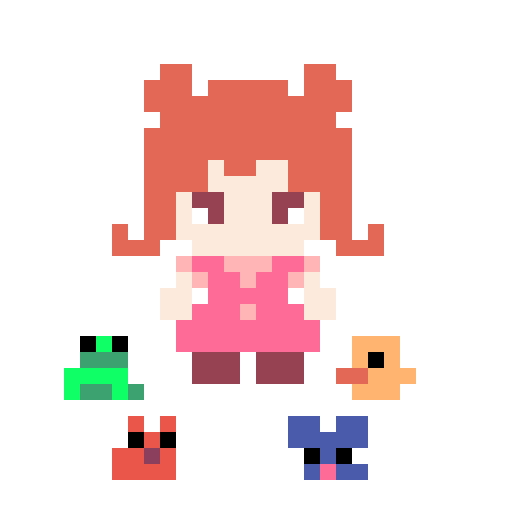
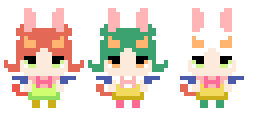
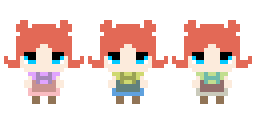
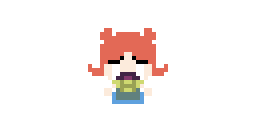
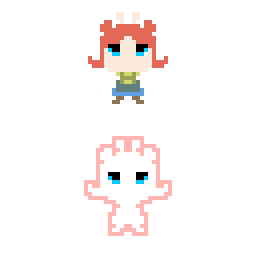
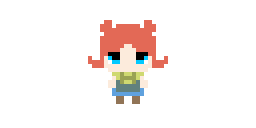

The Animals
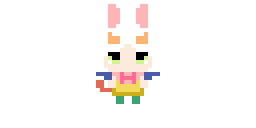
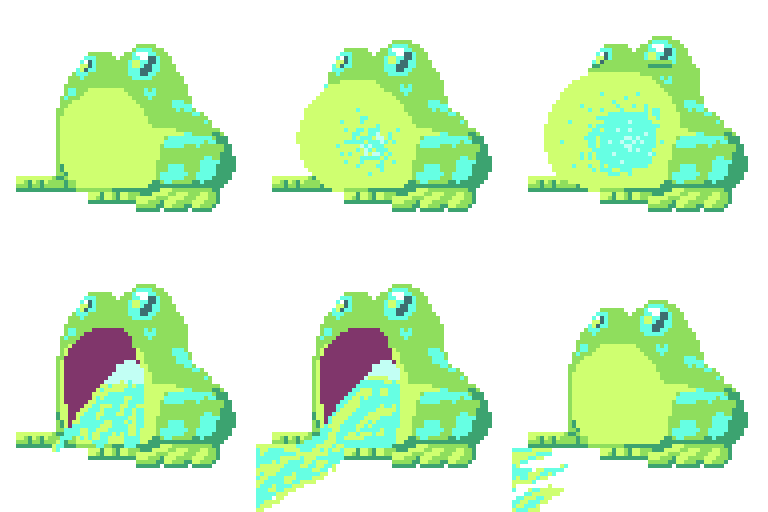
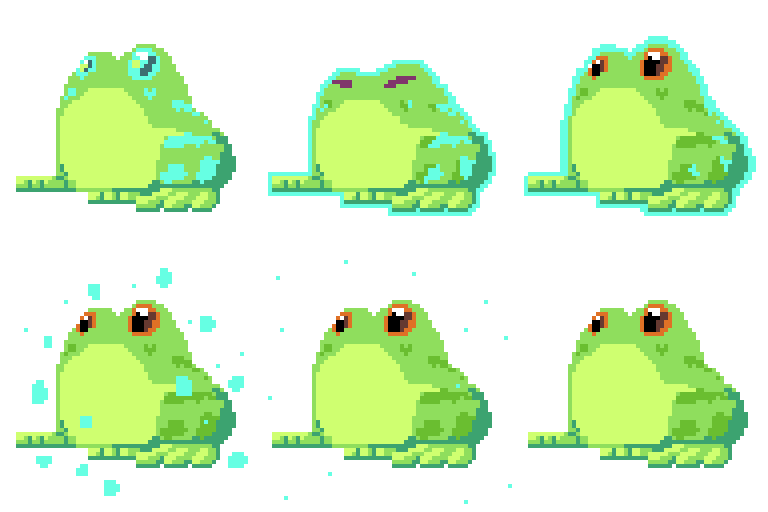
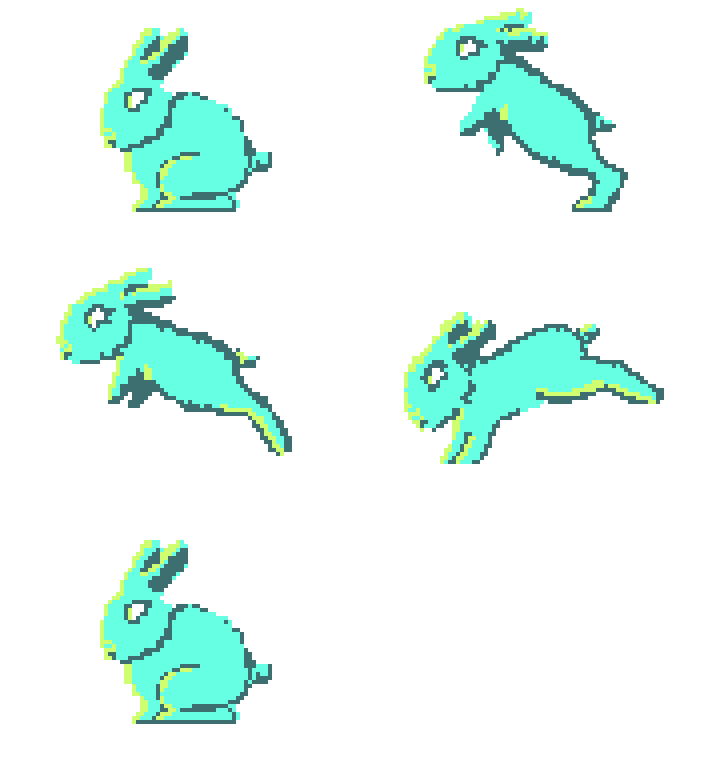
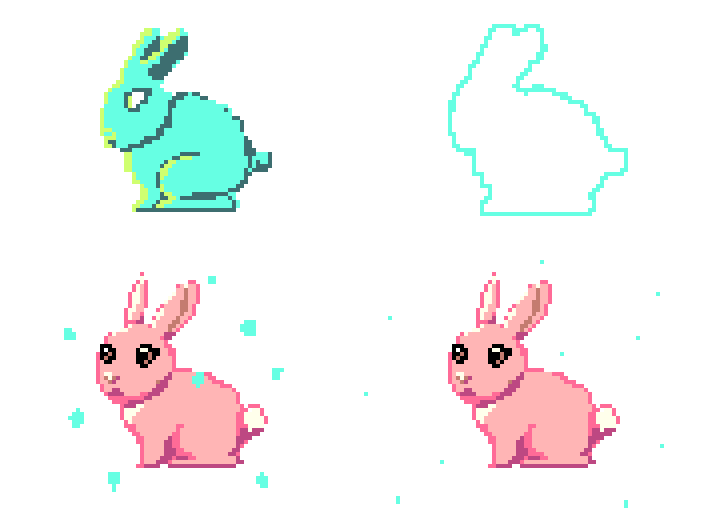
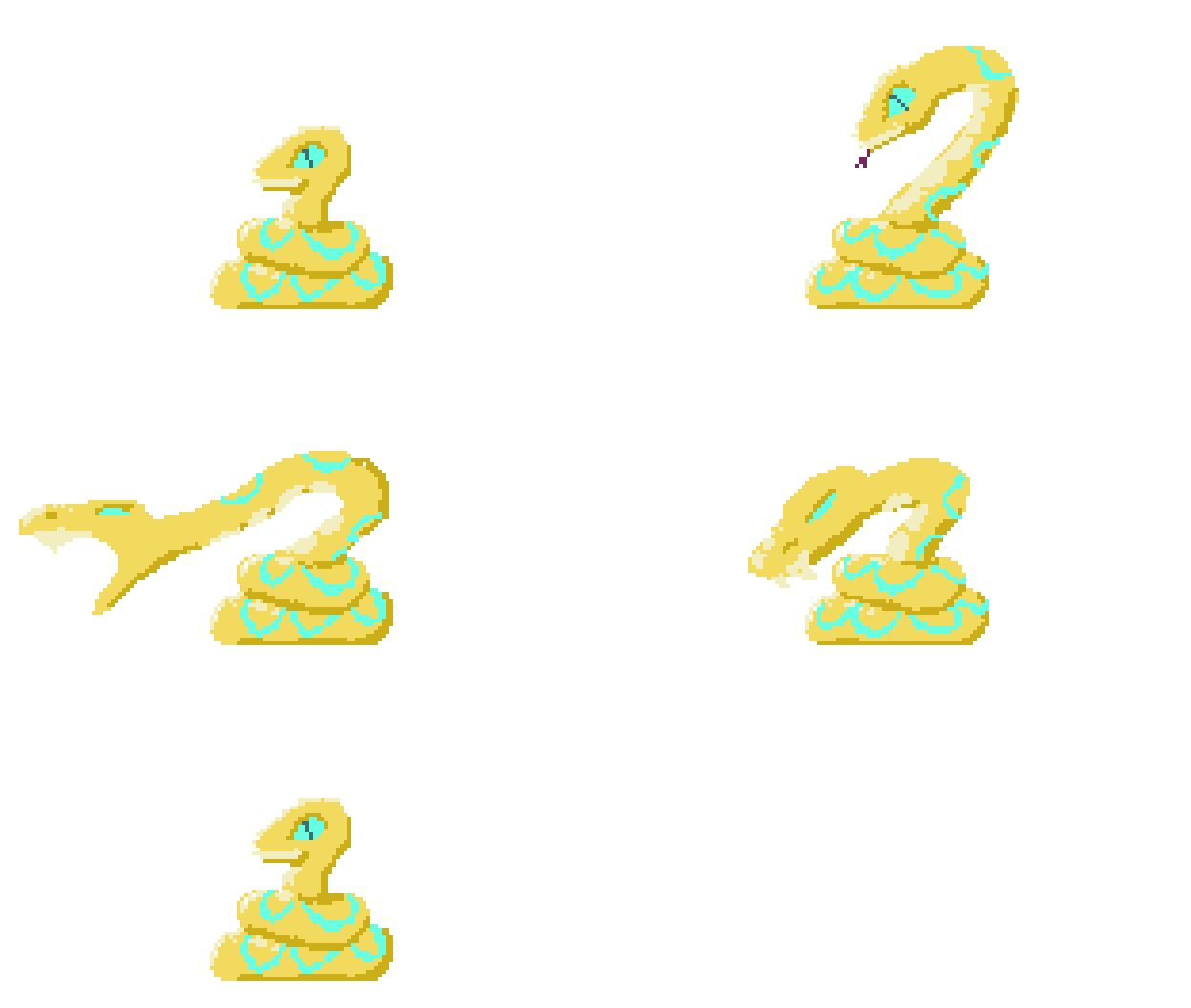
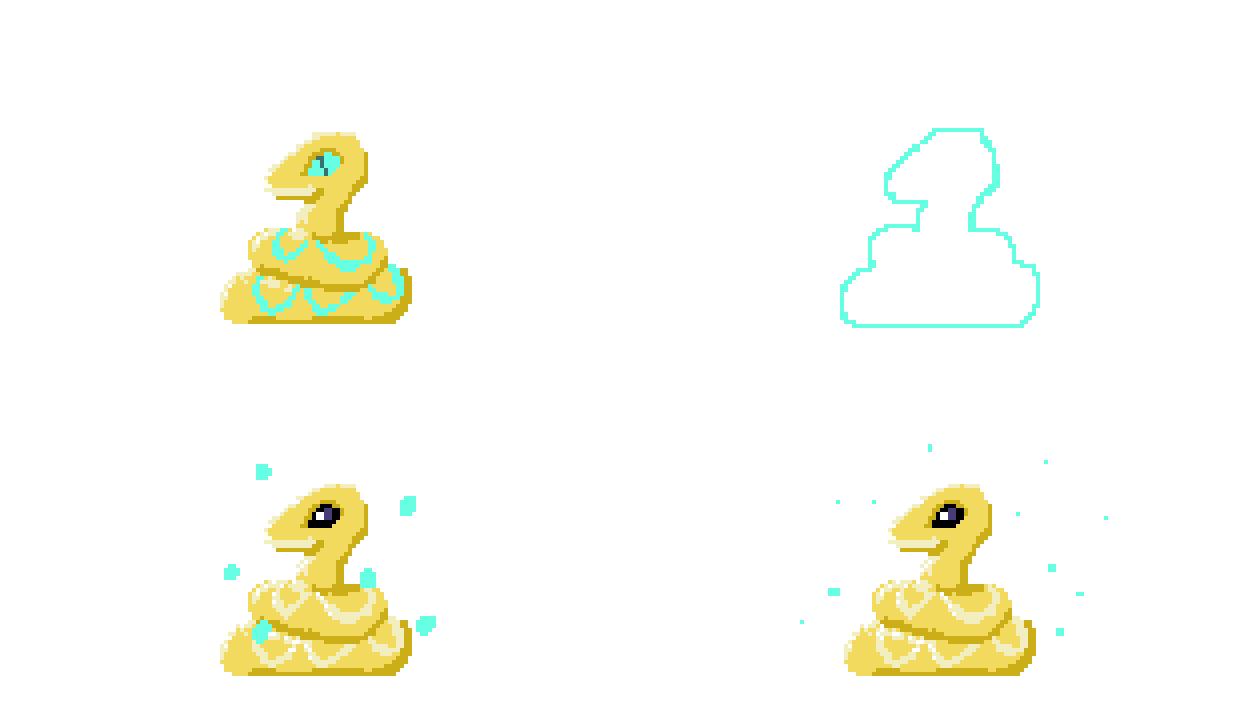
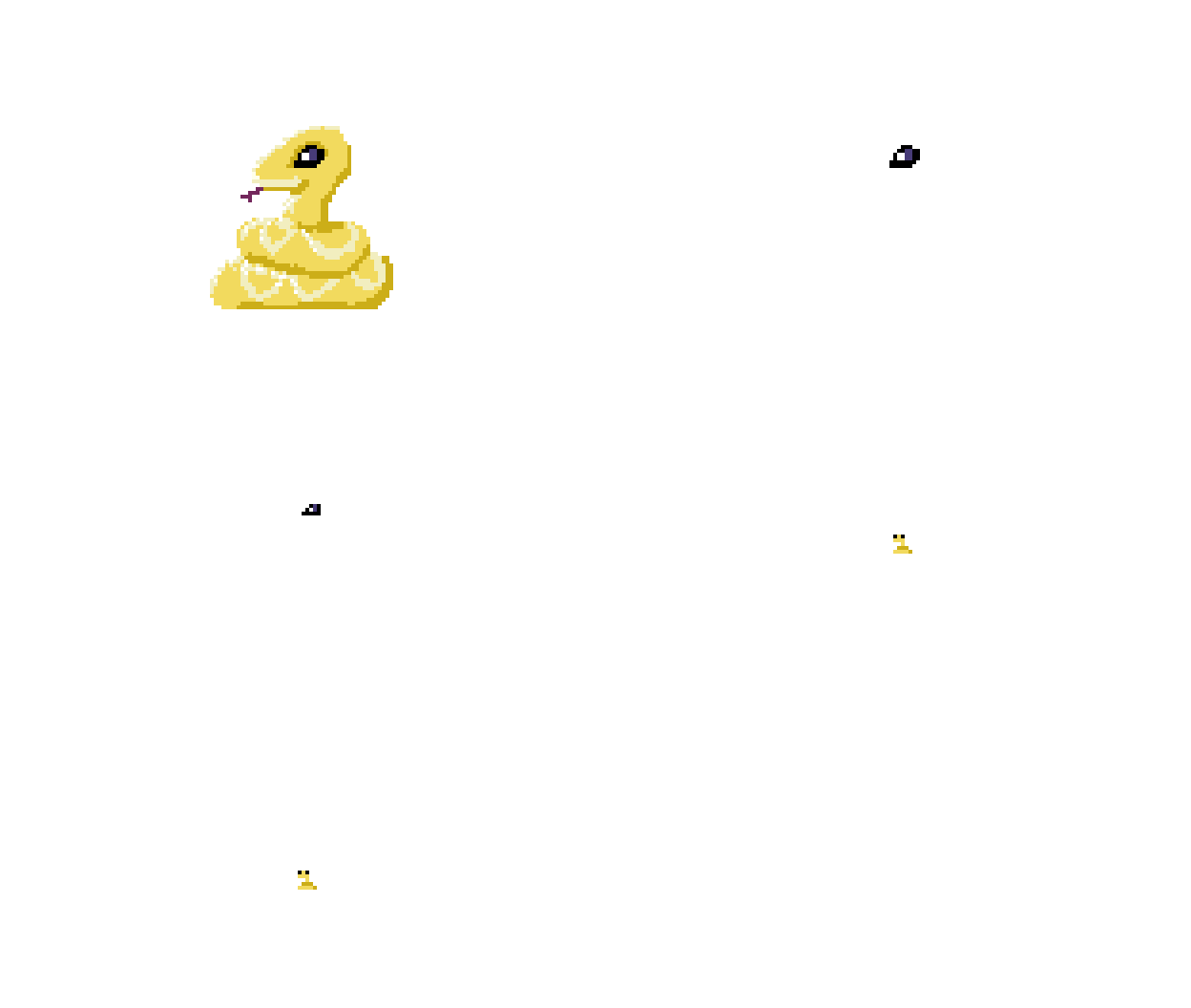
The following animals are the ones you collect and follow you around in the game. When you find one, Miki transforms with an added visual element of the animal, and gains a new ability, as well as a companion.
Bosses
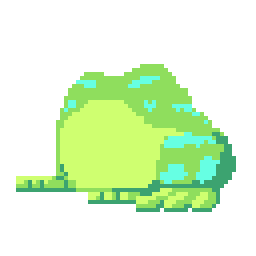
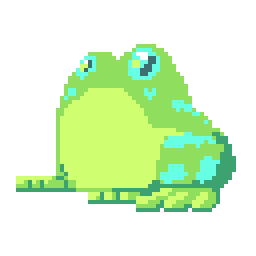
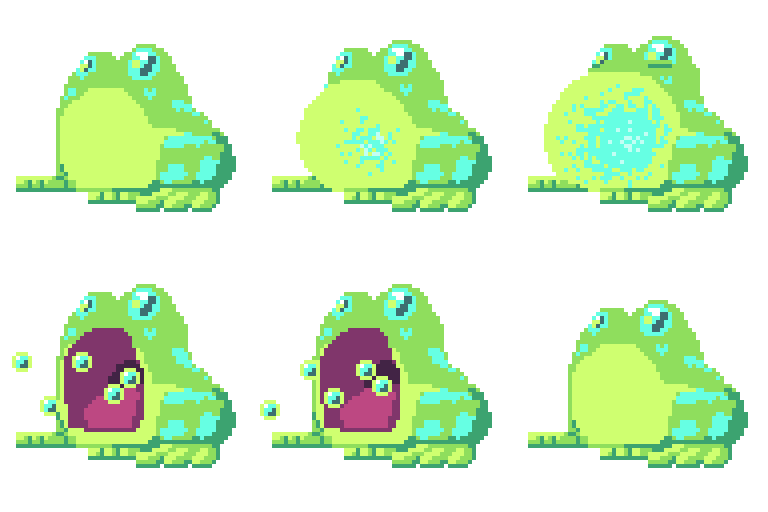
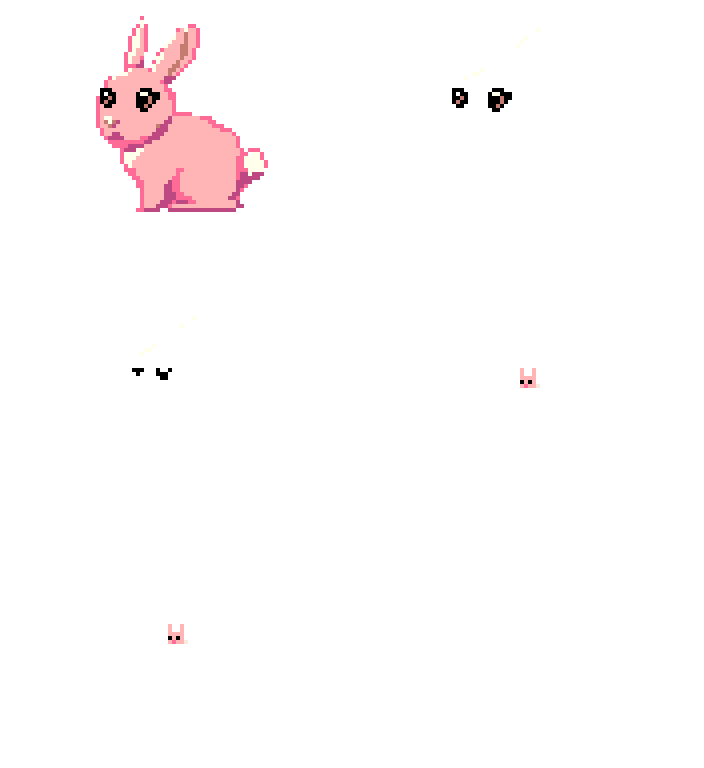
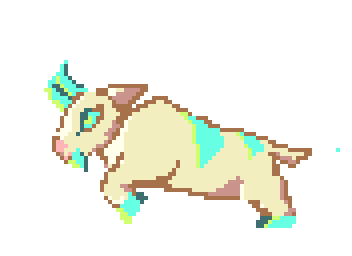
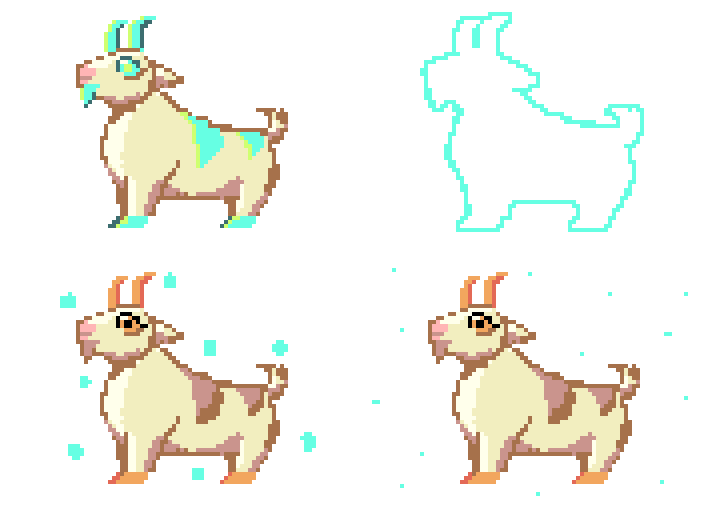
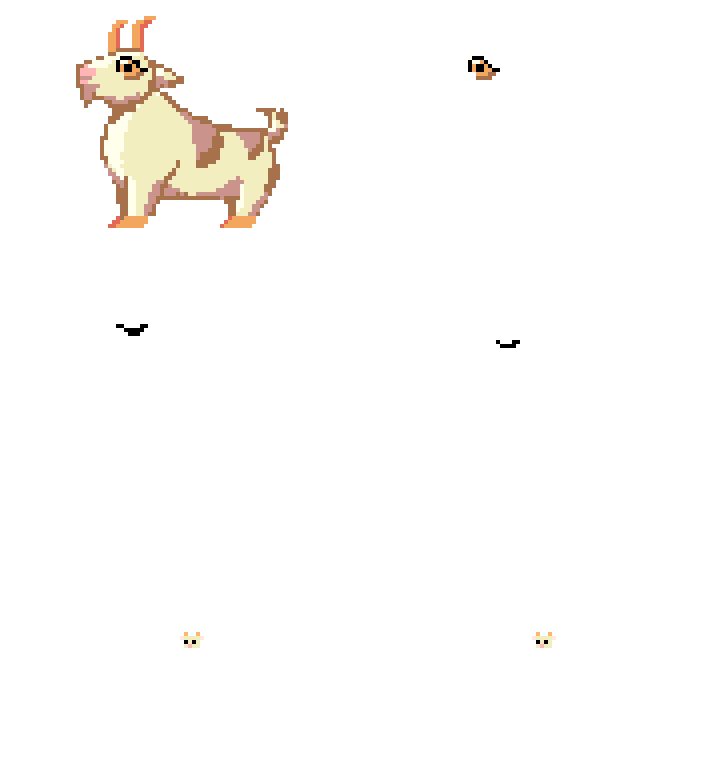
A few of the animals you encounter start as large, violent bosses corrupted by the toxic waste. You fight them to tame them, and your power transforms them back to normal, and then into a beanie animal character that you collect.

Villain: Majo Tou
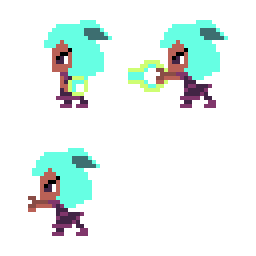
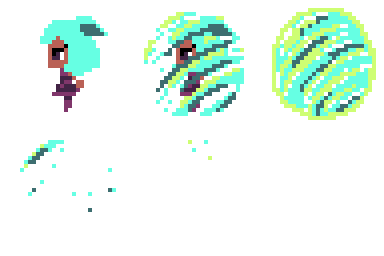
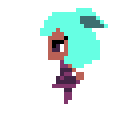
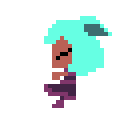
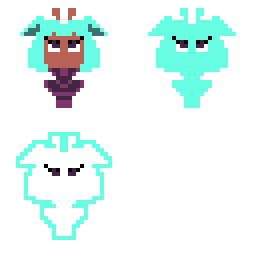
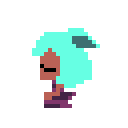
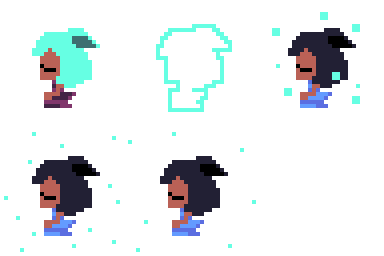
Magical girl villains have ranged in history from a variety of goofy monsters, fabulous and fashionable leaders, and non-corporeal major bosses. My favorite villains in Sailor Moon were the ones that were just as fun and driven as the main character, and a repetitive theme was to convert villains into good guys. So, Animajo Tou is a villain magical girl; one of the Animajo who was sent around the world to fight environment issues threatening the wildlife. On her mission, she was exposed to so much toxic waste that she was poisoned in the process, and so were her powers.
“Tou” in Japanese, is a counter for large animals. And as it so happens, when she powers up an animal to fight for her, it gets big.
Base Enemies
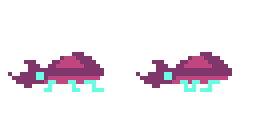
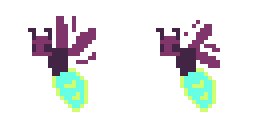
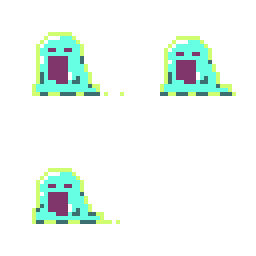
The base enemies concept went through many phases. Because it’s an animal castle, we wanted to be on theme, but the problem was, we didn’t want to kill any animals to get to other animals, that just didn’t make sense to us. Ghost animals made us sad, and rescuing all the animals wasn’t realistic. So, to keep on theme, the base enemies are bugs, which in such a large number, we couldn’t possibly save them all. In addition, we have a sentient goop of toxic magic.
Game-mechanics-wise, we kept the 3 enemies simplified to a walker, a flyer, and a shooter.

Interactive Objects
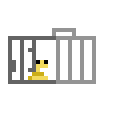
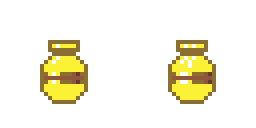
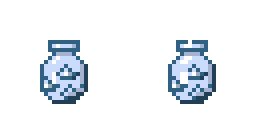
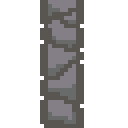
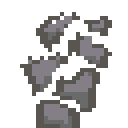
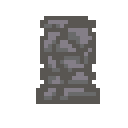
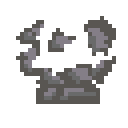
In the game, there are objects that can be broken, opened, or collected. Some animals you can find in cages. When you release them, they become your companions and you gain a power like you would with the bosses. Heart containers fully restore your life, while flat variants restore a partial life. Vases, statues, and walls can also be broken to find more objects and open new passageways.



Visual Elements
Various decorative environmental elements: windows, art pieces, book shelves, tea sets, etc. Because it takes place in a Japanese castle, I was inspired by interior design
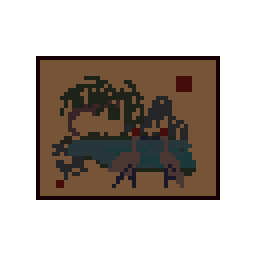
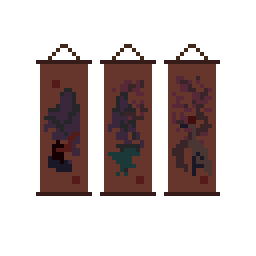


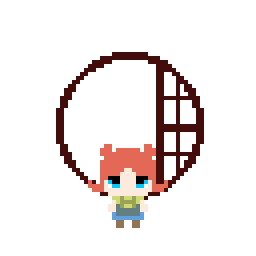
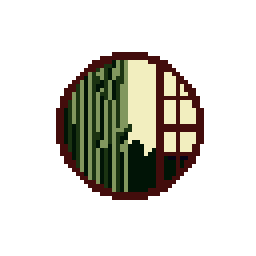

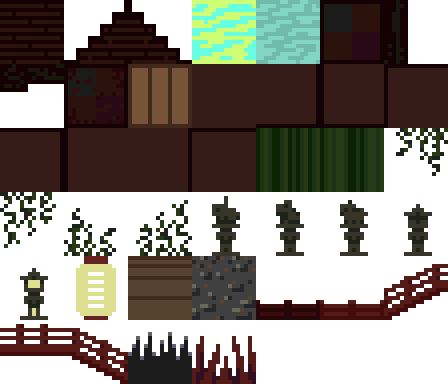
Below are tiles created for building the surface blocks of the levels, from walls to ceilings, water, toxic waste, paneling, bamboo, vines, lamps and lanterns, spikes, and fences.